Leach Lines Installation in Columbus, OH
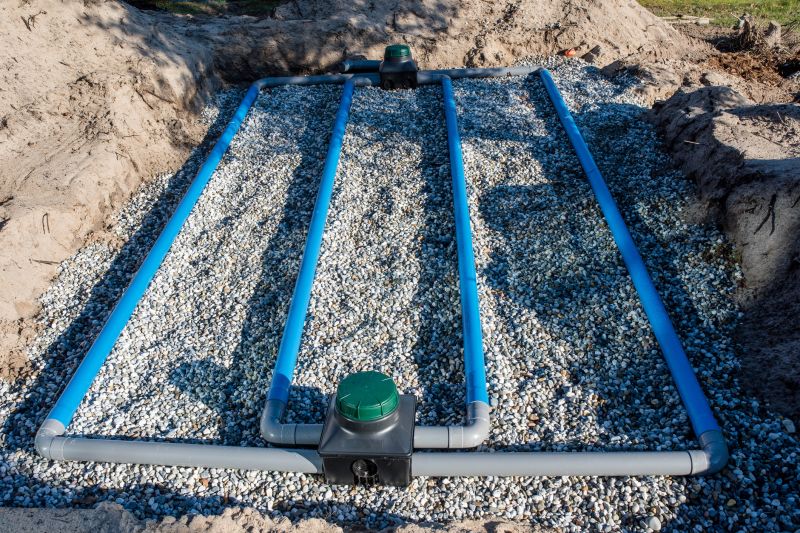
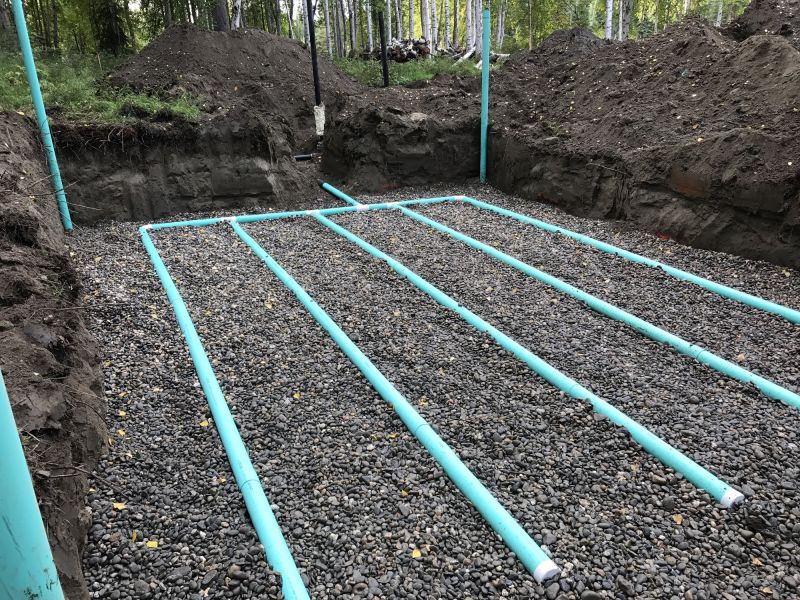
Leach line installation services involve the process of setting up underground pipes that connect a home’s septic system to the drain field. These lines are essential for safely transporting wastewater away from the property and ensuring proper drainage. Projects typically include installing new leach lines during septic system upgrades or replacements, as well as repairing or replacing existing lines that may be clogged, damaged, or failing. Property owners often want to understand the scope of the installation, the materials used, and how the system will be integrated with existing plumbing or septic components.
Before requesting leach line installation, homeowners should consider the size and layout of their property, the condition of the current septic system, and local regulations or setbacks that might influence the project. It’s also helpful to know if the soil composition and drainage characteristics are suitable for a leach field, as these factors can impact the system’s performance. Proper planning and understanding of these details can help ensure the installation process proceeds smoothly and the system functions effectively for years to come.
Many property owners in Columbus, OH look into Leach Lines Installation for repairs, replacements, upgrades, and appearance-related improvements.
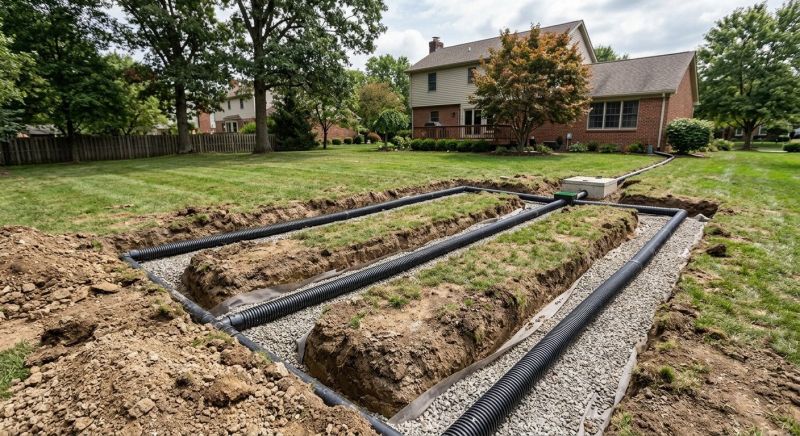
Leach Line Replacement
Replacing aging or damaged leach lines to ensure proper wastewater dispersal.

Leach Line Repair
Fixing leaks or blockages to maintain system efficiency and prevent property issues.
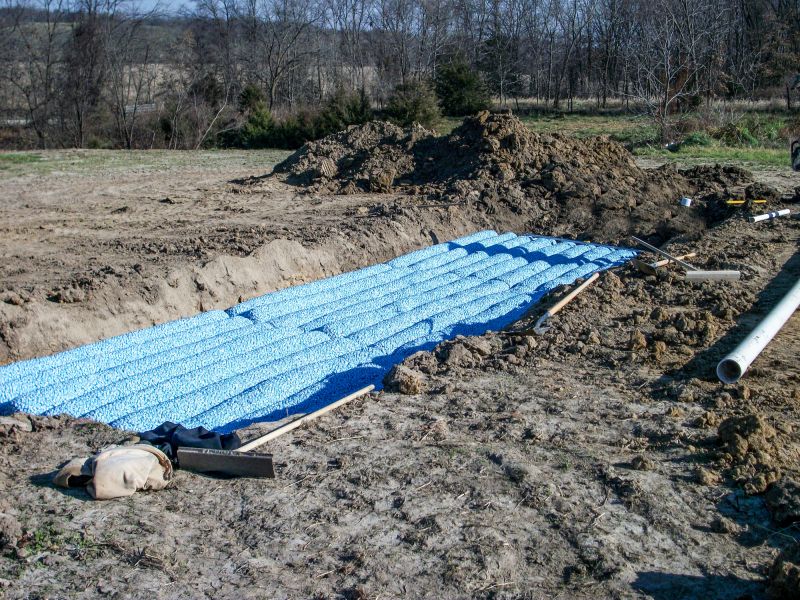
Leach Line Inspection
Assessing the condition of leach lines to identify potential problems before they worsen.
Leach Lines Installation in Columbus, OH

Leach line installation services involve the process of setting up underground pipes that connect a home’s septic system to the drain field. These lines are essential for safely transporting wastewater away from the property and ensuring proper drainage. Projects typically include installing new leach lines during septic system upgrades or replacements, as well as repairing or replacing existing lines that may be clogged, damaged, or failing. Property owners often want to understand the scope of the installation, the materials used, and how the system will be integrated with existing plumbing or septic components.
Before requesting leach line installation, homeowners should consider the size and layout of their property, the condition of the current septic system, and local regulations or setbacks that might influence the project. It’s also helpful to know if the soil composition and drainage characteristics are suitable for a leach field, as these factors can impact the system’s performance. Proper planning and understanding of these details can help ensure the installation process proceeds smoothly and the system functions effectively for years to come.
Many property owners in Columbus, OH look into Leach Lines Installation for repairs, replacements, upgrades, and appearance-related improvements.
Common Leach Lines Installation Jobs
Leach line installation involves setting up proper drain lines to prevent sewage backups in residential properties.
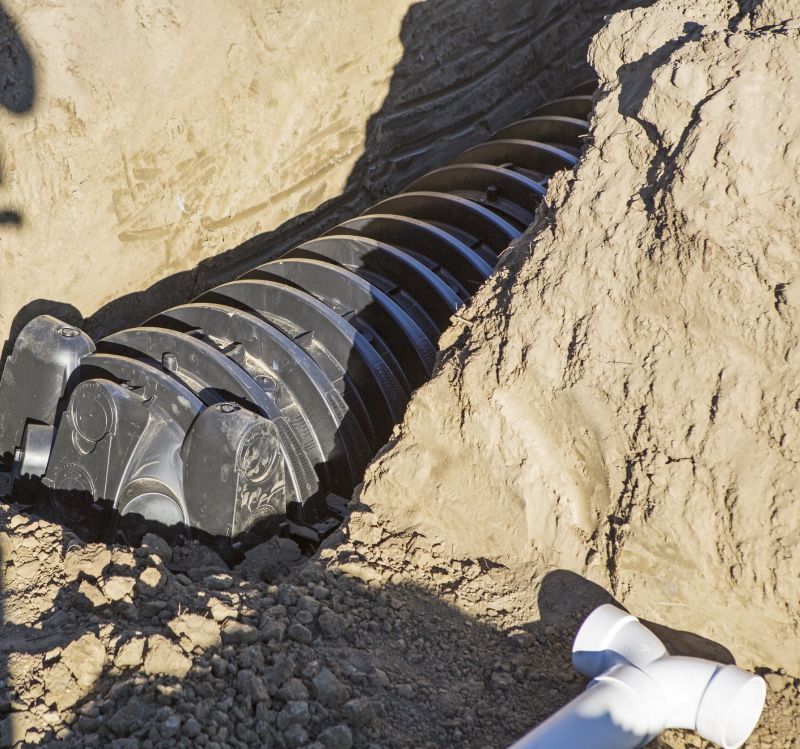
Septic system leach lines help distribute treated wastewater safely into the soil.
Leach field replacement is necessary when existing drain lines fail or become clogged.
Leach line repair addresses issues like blockages or damaged pipes to restore proper function.
Drain field expansion allows for additional capacity in properties with increased wastewater needs.
Leach line maintenance ensures the longevity and efficiency of existing drain systems.
Leach Lines Installation Questions
What are leach lines used for? Leach lines are part of a septic system that distributes wastewater safely into the soil, helping to treat and dispose of household sewage.
When should leach lines be replaced? Replacement is typically needed if the lines are clogged, damaged, or no longer effectively drain wastewater, which can cause system failure.
How are leach lines installed? Installation involves excavating trenches, laying perforated pipes, and covering them with gravel and soil to allow proper drainage underground.
What signs indicate leach line issues? Signs include persistent odors, slow drains, or pooling water near the septic area, suggesting potential problems with the leach lines.
Request Leach Lines Installation in Columbus, OH
Use the quote form on this page to share the basics of your project and request more information for the type of work you need.