Key Steps in a Professional Septic System Installation
People searching for septic system installation are typically looking to ensure proper setup and functioning, and local contractors can guide them through the key steps involved.
Understanding the key steps in a professional septic system installation can help property owners make informed decisions about their property’s wastewater management. Whether building a new home or upgrading an existing system, knowing what to expect ensures the process runs smoothly and meets necessary standards. Local contractors who specialize in septic system installation are equipped to guide property owners through each stage, from site assessment to final setup, providing practical expertise tailored to the area's specific soil and terrain conditions. Exploring this topic can empower property owners to collaborate effectively with local service providers and ensure their septic systems are installed correctly and efficiently.
Property owners in the area often consider septic system installation to maintain proper sanitation and avoid potential issues down the line. A clear understanding of the key steps involved helps them plan ahead and select the right professionals for the job. Local service providers offer the experience needed to handle everything from initial site evaluation to system design and installation. By familiarizing themselves with the process, property owners can better evaluate options and work confidently with local pros to achieve a reliable, long-lasting septic system that suits their property’s unique needs.
- Site evaluation - homeowners planning a septic system installation can rely on local contractors to assess soil conditions and determine the best location for the system.
- Design and planning - property owners needing a customized septic setup can work with local service providers to develop plans that meet site-specific requirements.
- Permitting and approvals - individuals preparing for installation can depend on local pros to handle necessary permits and ensure compliance with local codes.
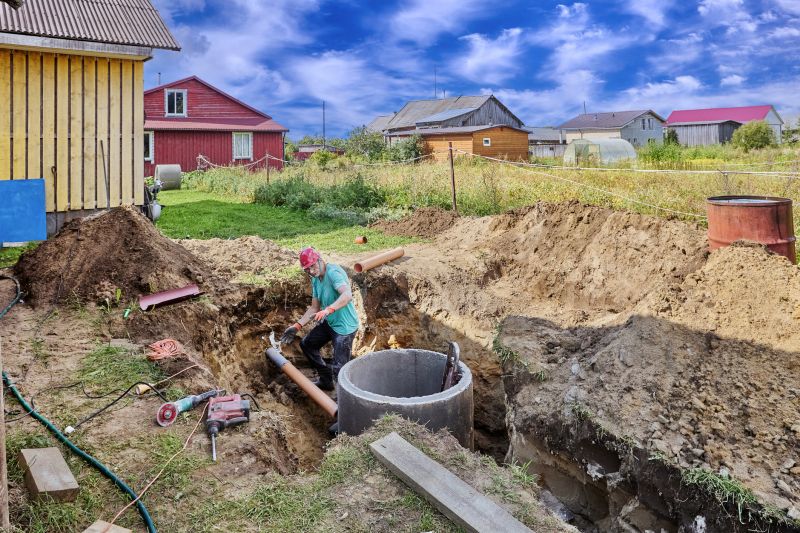
- Excavation and installation - those ready to install a septic system can have local contractors perform precise excavation and proper placement of components.
- System testing and final inspection - clients can have local service providers conduct testing and inspections to confirm the system functions correctly before use.
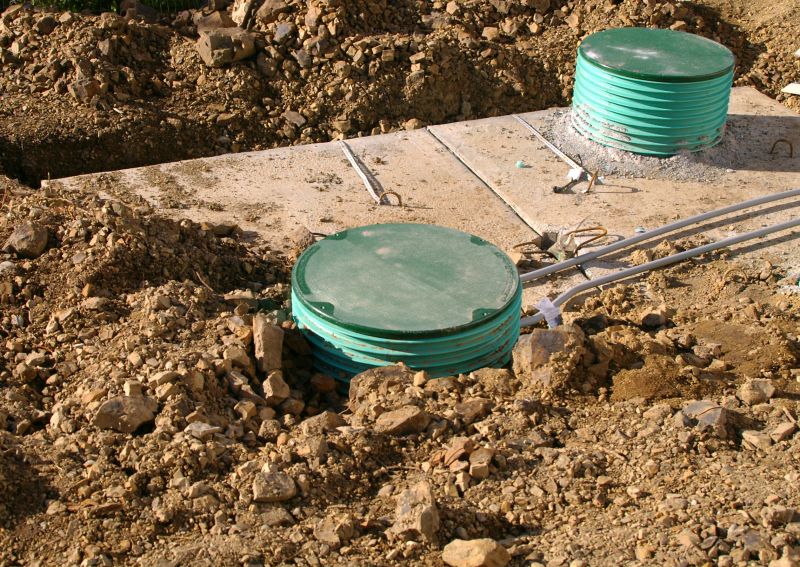
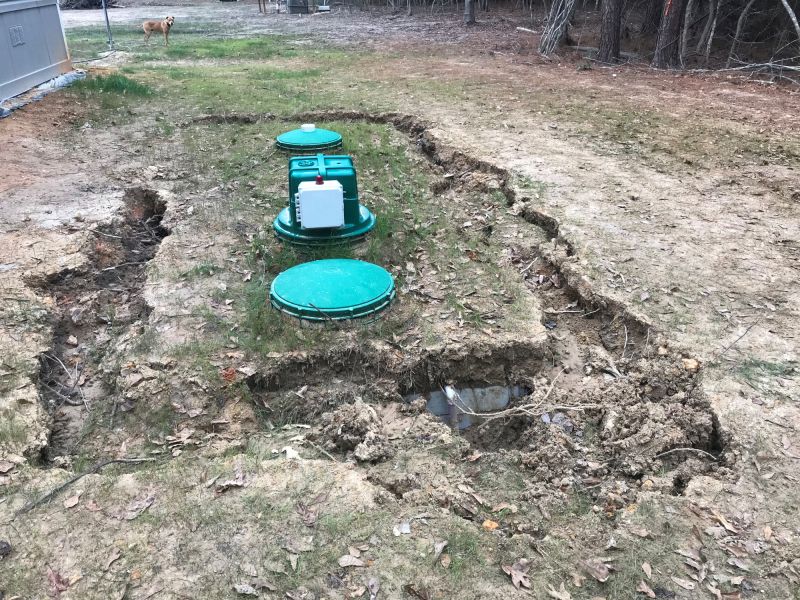
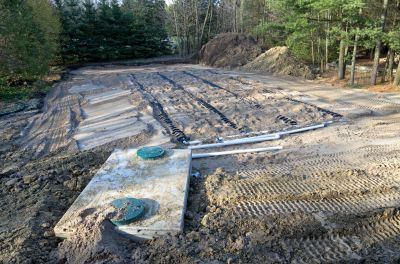
Understanding the key steps in a professional septic system installation is essential for homeowners planning to develop or upgrade properties that are not connected to municipal sewer lines. When searching for this topic, many people are typically looking for guidance on what the process involves, the order of tasks, and what to expect during installation. This information is relevant for those building a new home, adding an accessory dwelling unit, or replacing an aging or failing septic system. Homeowners often want to ensure the installation is handled correctly to avoid future issues such as backups, leaks, or system failure, making it important to work with experienced local contractors who specialize in septic system services.
Septic system installation relates closely to property plans that include rural homes, farms, or properties in areas where municipal sewer access is unavailable or impractical. These properties usually have larger land parcels, which require a septic system capable of handling wastewater generated by the household. Problems that lead homeowners to seek professional installation services often involve poor drainage, foul odors, or recurring plumbing issues. Proper planning and execution of the installation process can prevent these problems, ensuring the system functions reliably and efficiently for years to come.
The process of installing a septic system involves several key steps that must be carefully coordinated. It begins with a site assessment, where local pros evaluate soil conditions, water table levels, and property topography to determine the most suitable location for the system. Next, a design plan is created that accounts for the property size and household needs. The installation then proceeds with excavation, where the necessary trenches and tanks are dug, followed by the placement of the septic tank and drain field components. Finally, the system is connected to the household plumbing, tested for proper operation, and inspected to ensure compliance with local standards. Each step requires expertise to ensure the system is installed correctly and functions as intended.
Working with local contractors who specialize in septic system installation is essential for navigating these key steps successfully. These professionals understand the local regulations, soil conditions, and best practices needed to deliver a durable, efficient system. They can help homeowners interpret site assessments, select appropriate designs, and oversee the installation process from start to finish. By partnering with experienced service providers, property owners can reduce the risk of installation errors, future repairs, or system failures, ensuring their property’s wastewater management is handled properly and reliably.
Drainfield Installation - This project involves designing and installing underground drainage systems, requiring similar planning and soil assessment skills as septic system installation.
Soil Testing and Site Evaluation - Conducting soil tests to determine suitability for septic systems shares technical expertise with the key steps in a professional septic system installation.
Excavation and Site Preparation - Excavation work for septic tanks is closely related to other land clearing and foundation preparation projects handled by local contractors.
Septic Tank Installation - Installing septic tanks involves similar site assessment, plumbing, and excavation skills as those needed for key steps in a septic system setup.
Drainage System Repair - Repairing or replacing existing drainage components requires knowledge of underground piping and soil conditions akin to septic system installation processes.
Utility and Drain Line Installation - Installing underground utility lines shares planning and excavation expertise with the key steps in installing a septic system properly.
When evaluating service providers for a septic system installation, it’s important to consider their experience with similar projects. Homeowners should inquire about the types of systems they have installed and the complexity of past jobs to ensure they have relevant expertise. A contractor with a proven track record handling projects comparable in size and scope can help ensure the key steps in a professional septic system installation are managed effectively and efficiently.
Clear, written expectations are essential when comparing local contractors. Homeowners should seek detailed proposals that outline the scope of work, materials to be used, and the sequence of key steps involved in the installation process. Having this information in writing helps prevent misunderstandings and provides a basis for assessing whether a service provider’s approach aligns with the homeowner’s needs.
Reputable references and strong communication are also key factors to consider. Asking for references from previous clients can offer insights into the contractor’s reliability, quality of work, and professionalism. Additionally, a service provider who communicates clearly and promptly can make the process smoother, ensuring that questions are answered and expectations are managed throughout the project. These qualities contribute to a more confident decision when selecting a local contractor for septic system installation services.
Property owners often search for key steps in a professional septic system installation when they are planning practical projects around their homes and businesses. Local pros provide Septic System Installation services for everyday jobs and straightforward project options.
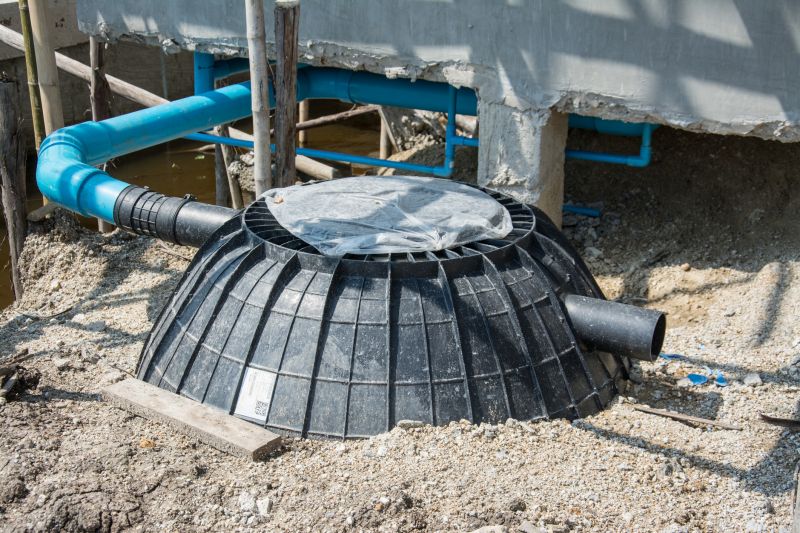
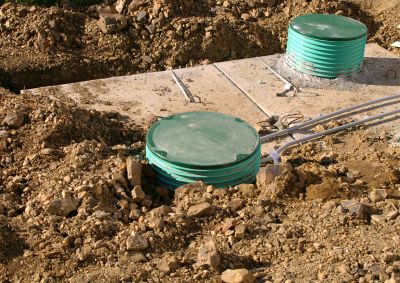
Understanding the key steps in a professional septic system installation can help property owners in the area prepare for this important project. Typically, the process involves assessing the site to determine the best location for the system, which includes evaluating soil conditions and ensuring proper drainage. Once the site is ready, local contractors usually handle the excavation and installation of the septic tank and drain field, making sure everything is set up correctly and efficiently. Property owners often look up this information to gain a clearer idea of what to expect and to find experienced service providers who can manage each stage of the installation with expertise.
Many property owners seek out information about septic system installation to ensure the job is done properly and to avoid potential issues down the line. They may want to understand the general sequence of steps involved, such as site evaluation, obtaining permits, and the actual installation process. Connecting with local service providers who specialize in septic system installation can provide peace of mind, knowing that skilled professionals are handling the project from start to finish. These local contractors are equipped to guide property owners through each step, ensuring the system is installed correctly and functions as intended.
What are the initial steps in a professional septic system installation? Local contractors typically start with site evaluation and soil testing to determine the best location and system type for the property.
How do professionals prepare the site for installation? They clear the area, mark out the designated system location, and ensure proper access for equipment and materials.
What is involved in installing the septic tank and drain field? Service providers excavate trenches, position the septic tank, and install the drain field components according to industry standards.
Why is proper backfilling and compaction important during installation? It helps prevent future settling or shifting, ensuring the longevity and effective operation of the septic system.
What are the final steps after installing a septic system? Local pros perform system testing, verify proper function, and ensure all components are correctly connected and secured.
Site assessment and planning - Property owners can work with local contractors to evaluate land conditions and determine the best location for the septic system installation.
Permitting and design - Engaging with local pros helps ensure all necessary permits are obtained and the system design complies with local regulations.
Excavation and installation - Local service providers can handle the excavation process and proper placement of septic components for a reliable setup.
System testing and inspection - Professionals can perform tests to verify the system functions correctly and meets installation standards before use.
If you are thinking about key steps in a professional septic system installation for a property, this guide is meant to help you understand this topic, the typical project types, and how different options might fit your plans.
When you are ready, you can use the quote form on this page to share a few details about your project. From there, local pros can review the basics and follow up with options that match what you have in mind.