Get Septic Installation in Asheville, NC
Septic installation services help Asheville-area property owners by installing, repairing, or replacing septic systems to prevent backups and ensure proper waste management.
Planning a septic installation is a significant step for property owners in Asheville, NC, especially for those looking to develop new land or upgrade existing systems. Proper installation ensures reliable wastewater management and can help prevent future issues that might disrupt property use or require costly repairs. Exploring local service providers allows property owners to compare options, review different approaches, and find solutions tailored to the unique landscape and soil conditions of the Asheville area.
Connecting with experienced local contractors can provide valuable insights into the best practices for septic system setup in this region. Whether building a new home, expanding an existing property, or replacing an outdated system, property owners are encouraged to consider their options carefully. Continuing to explore available services will help ensure the right fit for their specific project needs and property requirements.
- Septic System Installation - needed when constructing a new home or property in areas without access to municipal sewer systems.
- Septic Tank Replacement - required when existing systems are failing or have reached the end of their lifespan in neighborhoods around Asheville, NC.
- Septic System Repair - necessary for addressing issues like backups, leaks, or blockages that disrupt proper wastewater management.
- Septic System Inspection - important before purchasing a property or after noticing signs of system failure in local communities.
- Septic System Upgrade - suitable for improving system capacity or efficiency to meet increased household or property demands.
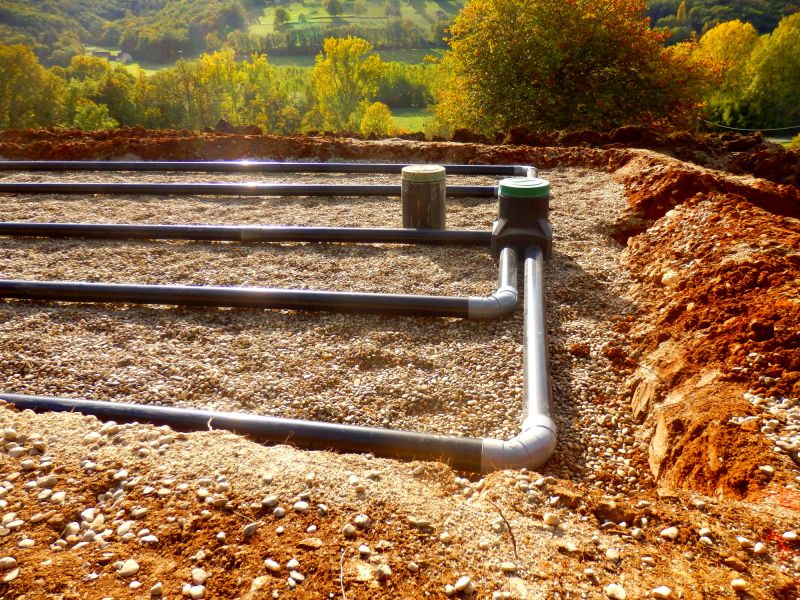
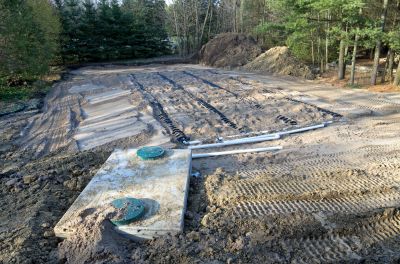

Septic installation services involve setting up a complete wastewater management system for properties that are not connected to municipal sewer lines. This process typically includes assessing the property’s soil and site conditions, designing an appropriate septic system, and installing components such as the septic tank and drain field. Proper installation ensures that household wastewater is safely treated and dispersed, helping to prevent common issues like backups, odors, and contamination. Local contractors experienced in septic systems can handle all aspects of the installation, ensuring the setup meets local regulations and functions efficiently.
Septic systems are essential for properties in rural or semi-rural areas where connection to city sewer services is unavailable or impractical. They are commonly used on private homes, small farms, and land parcels that lack access to municipal infrastructure. Homeowners may need septic installation when building a new house, expanding an existing property, or replacing an aging system that no longer operates effectively. Proper installation can resolve problems caused by inadequate drainage, foul odors, or persistent backups, providing a reliable solution for wastewater management.
The installation process involves more than just placing a tank underground; it requires careful planning to ensure the system works properly over time. Local service providers evaluate the site’s soil type, water table level, and landscape features to determine the best location and system design. They then excavate, install the septic tank, and set up the drain field with proper piping and fill material. This comprehensive approach helps prevent future issues such as system failure, groundwater contamination, or surface pooling, which can be costly and disruptive to property owners.
Anyone experiencing issues with their current septic system or planning a new construction on a property without sewer access should consider septic installation services. These professionals help homeowners navigate the complexities of site assessment, system design, and installation to ensure a long-lasting and effective wastewater solution. Whether for a new build or replacement, working with experienced local contractors can provide peace of mind that the septic system will operate properly, protect the property, and meet local standards.
The overview below groups typical Septic Installation projects into broad ranges so you can see how smaller, mid-sized, and larger jobs often compare in Asheville, NC.
In many markets, a large share of routine jobs stays in the lower and middle ranges, while only a smaller percentage of projects moves into the highest bands when the work is more complex or site conditions are harder than average.
Smaller Repairs - Typical costs for minor septic repairs or maintenance in Asheville range from $250 to $600. Many routine jobs fall within this middle range, though prices can vary based on the specific issue and system size.
Septic System Installation - Installing a new septic system generally costs between $3,000 and $7,000. Larger, more complex projects, such as systems for larger homes or challenging terrains, can reach $10,000+.
Full System Replacement - Replacing an entire septic system often falls between $5,000 and $15,000, depending on the size and complexity of the installation. Many projects land in the middle of this range, with fewer reaching the highest tiers.
Leach Field Repair - Repairing or replacing a leach field typically costs between $2,000 and $6,000. Costs can vary based on soil conditions and system size, with most jobs falling within this typical range.
Actual totals will depend on details like access to the work area, the scope of the project, and the materials selected, so use these as general starting points rather than exact figures.
Drain Field Installation - involves planning and installing underground systems that effectively disperse treated wastewater, similar to septic system setup.
Drainage System Construction - requires knowledge of soil conditions and site planning to manage water flow, paralleling septic system site preparation.
Underground Utility Installation - includes laying pipes and conduits below ground, sharing skills with septic pipe and tank placement.
Soil Testing and Site Assessment - involves evaluating soil conditions to determine suitable locations for septic systems, requiring similar planning expertise.
Water Line Installation - entails installing underground water supply lines, which shares trenching and pipe installation skills with septic work.
Stormwater Management System Setup - involves designing and installing systems to control runoff, requiring site evaluation and underground infrastructure skills.
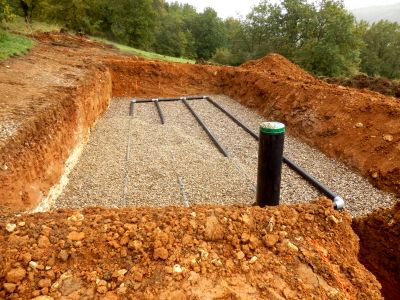
When evaluating septic installation service providers, it’s important to consider their experience with similar projects in the Asheville area. Homeowners should look for local contractors who have a proven track record of handling septic systems comparable to the scope of their own needs. Asking about past work can provide insight into a contractor’s familiarity with local soil conditions, regulations, and site challenges, helping to ensure that the chosen professional has the relevant expertise to manage the specifics of the job effectively.
Clear, written expectations are essential to a successful septic installation project. Homeowners should seek service providers who can provide detailed estimates, scope of work, and project timelines in writing. This transparency helps prevent misunderstandings and ensures that all parties are aligned on what the project entails. A reputable contractor will be willing to communicate openly about the process, materials, and any potential issues that could arise, fostering a smoother experience from start to finish.
Reputable references and strong communication are key factors when choosing local contractors for septic installation. Homeowners are encouraged to ask for references from previous clients with similar projects and to follow up with those references to learn about their experiences. Good communication-whether through timely responses, clear explanations, or responsiveness to questions-can make a significant difference in the overall process. While the site introduces homeowners to local options, it is important to remember that the actual work will be performed by trusted service providers who can deliver quality results based on experience, clear expectations, and reliable communication.
Property owners in Asheville, NC use Septic Installation services for practical projects around their homes and businesses. This guide focuses on everyday jobs and straightforward project options.
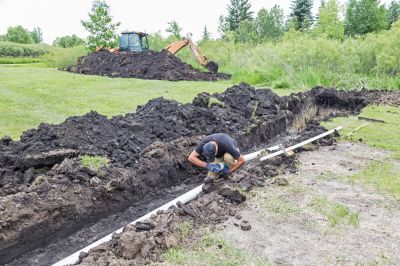
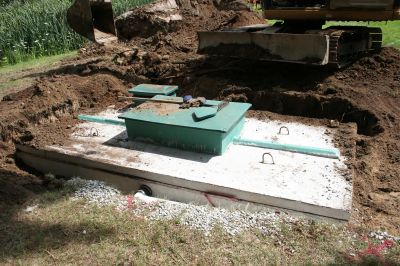
Septic installation services are often needed when property owners in Asheville are building new homes or adding on to existing structures. In areas where municipal sewer connections are not available, a reliable septic system becomes essential for proper waste management. Homeowners may seek out local contractors to design and install systems that meet the specific needs of their property, ensuring compliance with regional regulations and soil conditions unique to the Asheville area.
Additionally, property owners might look for septic installation services when experiencing issues with their current system, such as frequent backups, odors, or slow drains. Upgrading or replacing an aging septic system can help maintain property value and prevent costly repairs down the line. Local service providers are equipped to handle these projects, providing solutions tailored to the local environment and the unique requirements of each property.
What should I consider before installing a septic system? It's important to evaluate the size of your property, soil conditions, and local regulations to ensure proper septic system installation by qualified service providers in Asheville, NC.
How do I find experienced septic installation contractors nearby? You can compare local service providers who specialize in septic system installation and request information about their experience and services to find the right fit for your needs.
What types of septic systems are available for installation? There are various types of septic systems, including conventional and alternative options, which local contractors can help determine based on your property and soil conditions.
What permits or approvals are needed for septic installation in Asheville, NC? Local regulations typically require permits for septic system installation, and service providers can assist in navigating the approval process for your area.
What maintenance is required after a septic system is installed? Regular inspections and pump-outs are recommended to keep the system functioning properly, and local contractors can provide guidance on ongoing maintenance needs.
Septic System Installation Planning - Property owners can explore options for installing a new septic system to support a home addition or a new construction project.
Septic System Upgrades - Homeowners can consider upgrading their existing septic systems to improve functionality or accommodate increased household size.
Drain Field Design Ideas - Property owners may plan for drain field placement to ensure proper soil absorption and prevent future issues.
Septic System Maintenance Scheduling - Planning regular maintenance with local contractors helps keep septic systems operating efficiently over time.
If you are thinking about Septic Installation for a property in Asheville, NC, this guide is meant to help you understand the work, the typical project types, and how different options might fit your plans.
When you are ready, you can use the quote form on this page to share a few details about your project. From there, local pros can review the basics and respond with options that match what you have in mind.